

Strong Acid Alkali Resistance Chemistry Fume Hood | RFQ Sourcing Details
Biosafety Cabinets · Quote on request
This is a product procurement detail page: check specs, images, category context and related sourcing paths before sending an RFQ.
Product specs
Buyer's Digest
Use this page as a product-first sourcing checkpoint before sending an RFQ. Category: Biosafety Cabinets. Confirm application fit, capacity, materials, destination, lead time and compliance requirements before comparing suppliers.
Original product description
A fume hood is typically a large piece of equipment enclosing five sides of a work area, the bottom of which is most commonly located at a standing work height. Two main types exist, ducted and recirculating (ductless).
The principle is the same for both types: air is drawn in from the front (open) side of the cabinet, and either expelled outside the building or made safe through filtration and fed back into the room.
This is used to: protect the user from inhaling toxic gases (fume hoods, biosafety cabinets, glove boxes) protect the product or experiment (biosafety cabinets, glove boxes) protect the environment (recirculating fume hoods, certain biosafety cabinets, and any other type when fitted with appropriate filters in the exhaust airstream) Most fume hoods for industrial purposes are ducted.
A large variety of ducted fume hoods exist. In most designs, conditioned (i.e. heated or cooled) air is drawn from the lab space into the fume hood and then dispersed via ducts into the outside atmosphere. The fume hood is only one part of the lab ventilation system.
Because recirculation of lab air to the rest of the facility is not permitted, air handling units serving the non-laboratory areas are kept segregated from the laboratory units.
To improve indoor air quality, some laboratories also utilize single-pass air handling systems, wherein air that is heated or cooled is used only once prior to discharge.
Many laboratories continue to use return air systems to the laboratory areas to minimize energy and running costs, while still providing adequate ventilation rates for acceptable working conditions. The fume hoods serve to evacuate hazardous levels of contaminant.
To reduce lab ventilation energy costs, variable air volume (VAV) systems are employed, which reduce the volume of the air exhausted as the fume hood sash is closed. This product is often enhanced by an automatic sash closing device, which will close the fume hood sash when the user leaves the fume hood face.
The result is that the hoods are operating at the minimum exhaust volume whenever no one is actually working in front of them.
Product Parameters Model Specification WJ-1500A WJ-1500B WJ-1800A WJ-1800B External dimensions of equipment(mm) 1500(W)*1205 (D) *2400 (H) 1800(W)*1205 (D) *2400 (H) Dimension of works pace (mm) 1260(W1)*780(D1) *1100 (H1) 1560(W1)*780(D1) *1100 (H1)
Strong | Applications and Buyer Notes
Strong is organized as a sourcing-ready Biosafety Cabinets reference. The page combines visible product or company data with structured procurement cues so buyers can compare application fit, specifications, quantity, quality requirements and lead-time questio
Applications
- Initial shortlist building for related product or supplier options.
- Specification and application fit review before bulk purchasing.
- Category, keyword and detail-page comparison before sending an RFQ.
Key specifications
- Category
- Biosafety CabinetsBased on visible page data; confirm exact value in the RFQ.
- Unit
- setBased on visible page data; confirm exact value in the RFQ.
- Type
- StandardBased on visible page data; confirm exact value in the RFQ.
- Color
- GreyBased on visible page data; confirm exact value in the RFQ.
- Feature
- Corrosion Resistance, Heat Resistant, Acid & Alkali Resistant, Fireproof, ExplosBased on visible page data; confirm exact value in the RFQ.
- Material
- Stainless SteelBased on visible page data; confirm exact value in the RFQ.
Buyer tips
- State quantity range and split-delivery needs before price comparison.
- Add certification, material or inspection standards when they affect acceptance.
- For time-sensitive projects, include target arrival date and destination.
- For special applications, describe operating condition, installation environment and duty cycle.
FAQ
What should buyers confirm first?
Confirm application, specification, quantity, destination and lead-time requirements before comparing offers.
Can buyers inquire when specs are incomplete?
Yes. Add model, material, size, use case and inspection needs in the RFQ to make replies comparable.
How should this listing be evaluated?
Check title, category, specifications and related keywords against the actual sourcing requirement.
Source mix: ugc
Key specifications
Product sourcing keywords
These terms come from the title, visible copy and specifications, and link into matching aggregate pages.
Continue from this detail page into sourcing structure
These links connect the detail page back to category hubs, procurement aggregates and knowledge pages so new inventory is not isolated.
This URL was refreshed but still has no Googlebot evidence, so it is promoted into shared internal links for crawl discovery.
Internal sourcing path 0 001g High Accuracy Laboratory Grade Analytical Balance For Gold Jewelry Measurement Analytical BThis URL was refreshed but still has no Googlebot evidence, so it is promoted into shared internal links for crawl discovery.
Internal sourcing path Procurement sourcing pathThis URL was refreshed but still has no Googlebot evidence, so it is promoted into shared internal links for crawl discovery.
Internal sourcing path Cleanroom And Lab Furniture categoryThis URL was refreshed but still has no Googlebot evidence, so it is promoted into shared internal links for crawl discovery.
Internal sourcing path Laboratory Instruments categoryThis URL was refreshed but still has no Googlebot evidence, so it is promoted into shared internal links for crawl discovery.
Internal sourcing path Sample Preparation And Consumables categoryThis URL was refreshed but still has no Googlebot evidence, so it is promoted into shared internal links for crawl discovery.
Internal sourcing path Testing And Measurement Equipment categoryThis URL was refreshed but still has no Googlebot evidence, so it is promoted into shared internal links for crawl discovery.
Internal sourcing path CompanyThis URL was refreshed but still has no Googlebot evidence, so it is promoted into shared internal links for crawl discovery.
Internal sourcing path 10 98 Low Humidity Type Temperature Humidity Environmental Climate Test Chamber For Lab LaboratoThis URL was refreshed but still has no Googlebot evidence, so it is promoted into shared internal links for crawl discovery.
Internal sourcing path 16500rpm High Speed Capillary Hematocrit Centrifuge For Hospital Medical Use Hematocrit CentrifugeThis URL was refreshed but still has no Googlebot evidence, so it is promoted into shared internal links for crawl discovery.
Internal sourcing path 3e Blood Harvest Prp Centrifuge Kit For Lab 3e Blood Harvest Prp Centrifuge Kit And Prp CentrifugeThis URL was refreshed but still has no Googlebot evidence, so it is promoted into shared internal links for crawl discovery.
Internal sourcing path 6 In 1 Drinking Water Quality Tester Tds Cod Toc Ec Multifunction High Quality Precision Digital WatThis URL was refreshed but still has no Googlebot evidence, so it is promoted into shared internal links for crawl discovery.
Internal sourcing path 90 Safety Storage Cabinet Safety Cabinet Flammable Safety Cabinet Flammable Cabinet And 110 GallonThis URL was refreshed but still has no Googlebot evidence, so it is promoted into shared internal links for crawl discovery.
Internal sourcing path Advanced Cup Temperature Shock Test Chamber For Gas ImpactThis URL was refreshed but still has no Googlebot evidence, so it is promoted into shared internal links for crawl discovery.
 Acid & Alkali Resistant High Performance Corrosion Resistance Steel Chemical Laboratory Fume Hood foRequest Quote
 Strong Acid and Alkali Resistance Polypropylene Corrosion Resistance Laboratory Chemical Fume Hood wRequest Quote
 Acid Digestion Duct Fume Hood for Professional LaboratoryRequest Quote
 Acid and Alkali Proof All Steel Laboratory TableRequest Quote
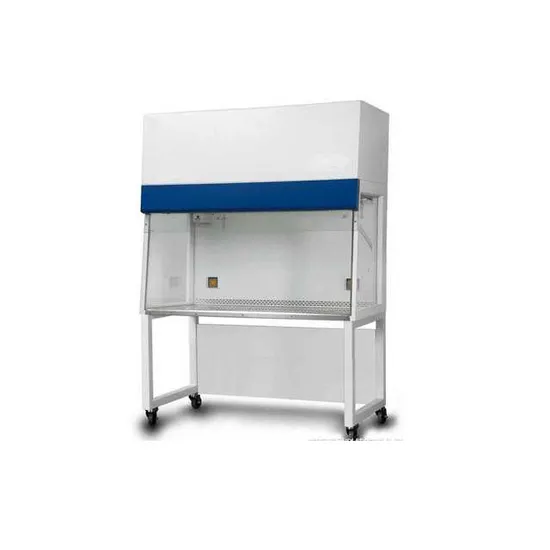 Horizontal Flow Laminar Flow Chamber Cabinet - Laminar Flow Cabinet and Laminar Flow HoodRequest Quote
 Paraffin Block Cabinet Slide Storage Cabinet Medical Wax Storage Cabinet with Lab Sliding Drawer - PRequest Quote
LabInstSource related sourcing paths
Sample Preparation and Lab Basics
LabInstSource procurement phrases
LabInstSource related product samples
We are a manufacturer specializing in the R&D of laboratory electric heating equipment. Our process is unique worldwide,...
Sample Preparation and Lab Basics Semi-Exhaust Type Biological Safety Cabinet Machine Medical Equipment - Medical Equipment and MedicaSemi-exhaust type biological safety cabinet school laboratory 1.Description The biosafety cabinet protects both human sa...
Sample Preparation and Lab Basics Etcolabs PP Fume Hood - Compliant with En 14175 Ashrae mm - 2026 Fume Hood, En 14175 FuIn the domain of laboratory safety, our fume hoods stand as indispensable protectors, catering to the rigorous demands o...
Sample Preparation and Lab Basics Laboao InUsing American Marlow semiconductor refrigeration sheet, the maximum temperature change rate is more than 5 degrees per ...
Sample Preparation and Lab Basics Erun-Sp9-B6 High-Accuracy Turbidimeter Laboratory-Grade Tool for Industrial Water Quality TestingIntroduction This instrument features 16 channels for the optical method and can measure over 60 parameters, as well as ...
Sample Preparation and Lab Basics Cordial Lab 5-5000ml Borosilicate 3.3 Glass Low Form Beaker for Lab Use - Glass Beaker and Low Form: With Spout and graduations 4. Color: Clear-to-read white enamel graduated scale. 2) Borosilicate tubing made and machi...